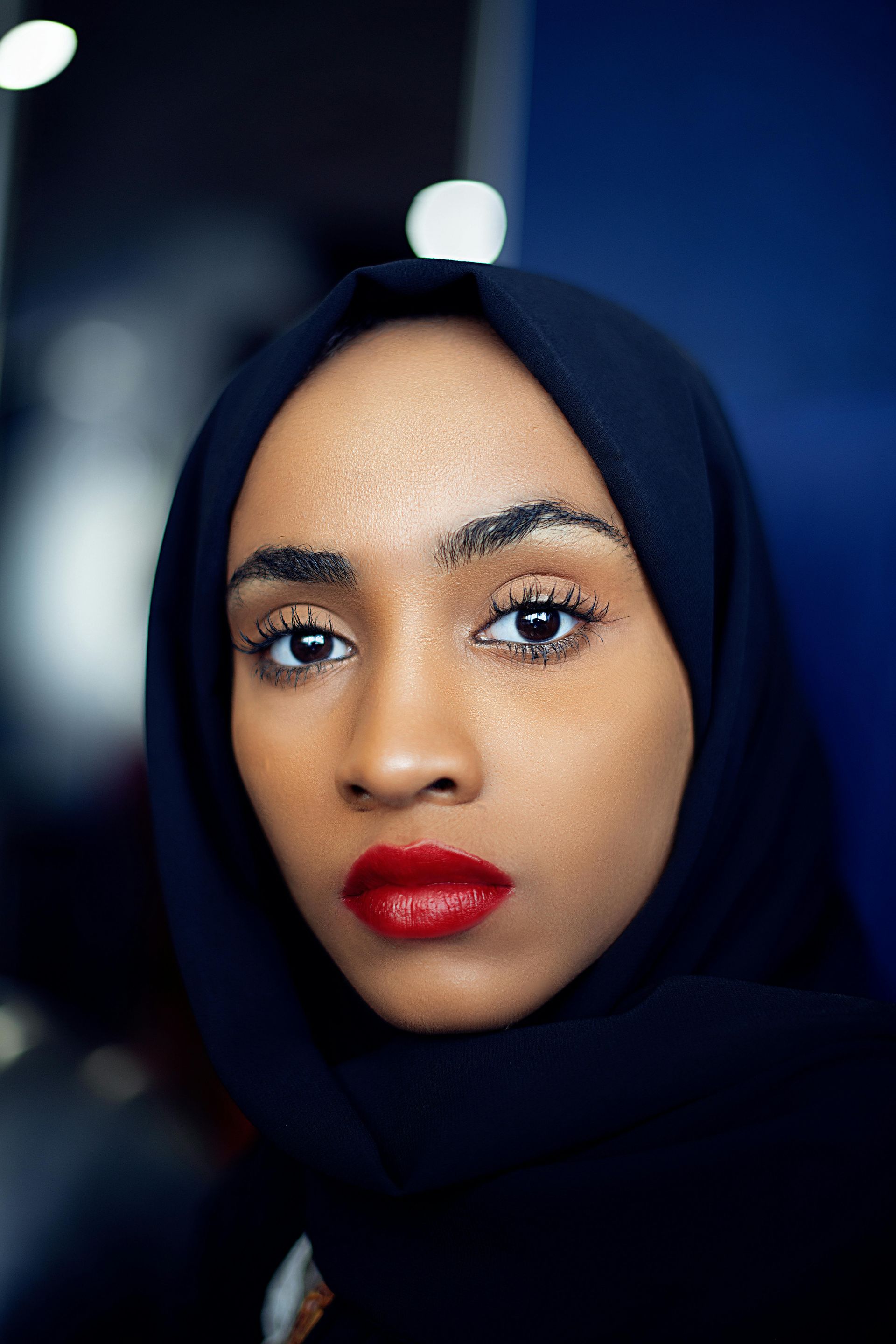
Faith
CLOTHED IN HONOR:
A BIBLICAL VIEW ON MODESTY
By Shamaryah Nicole
Introduction
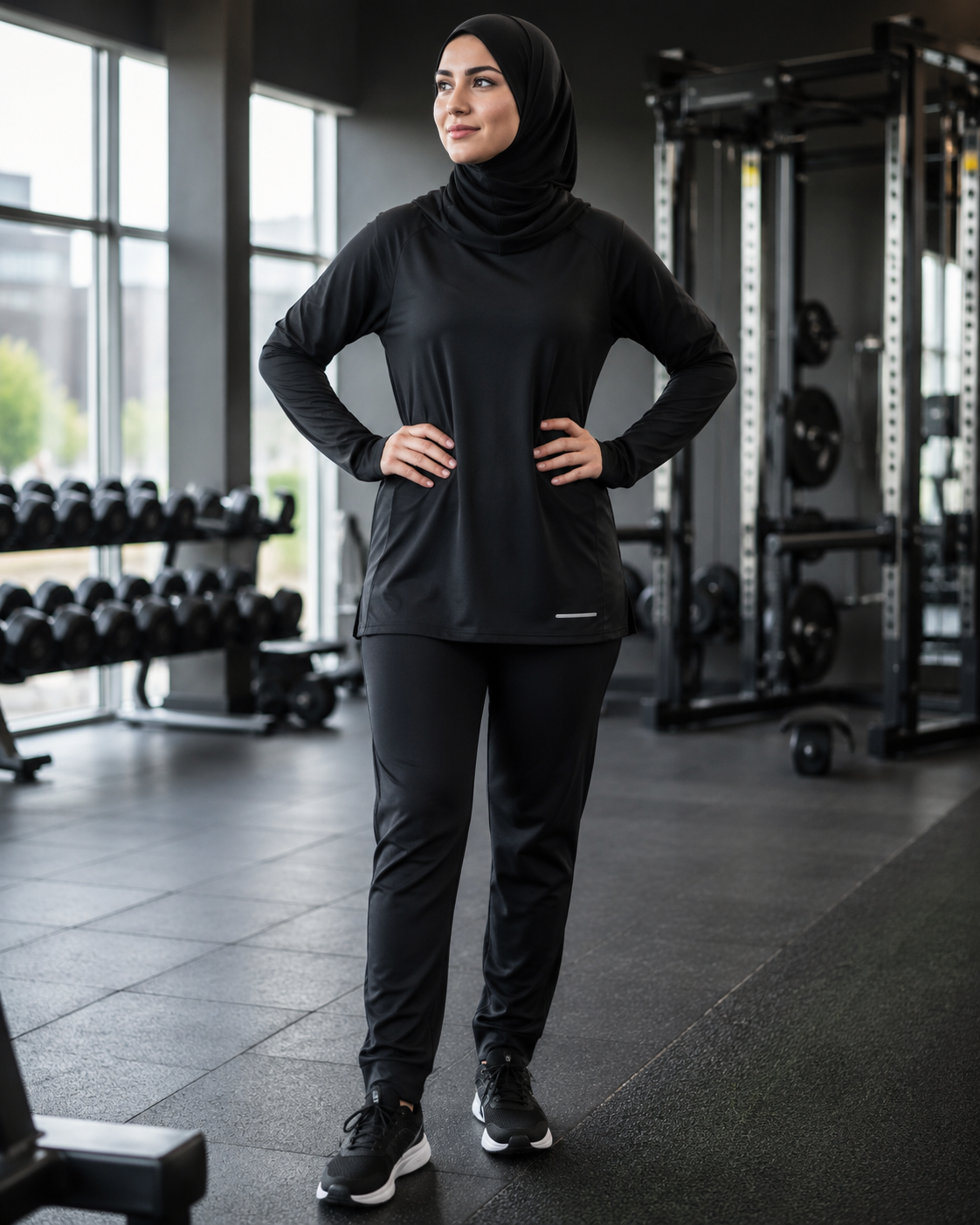
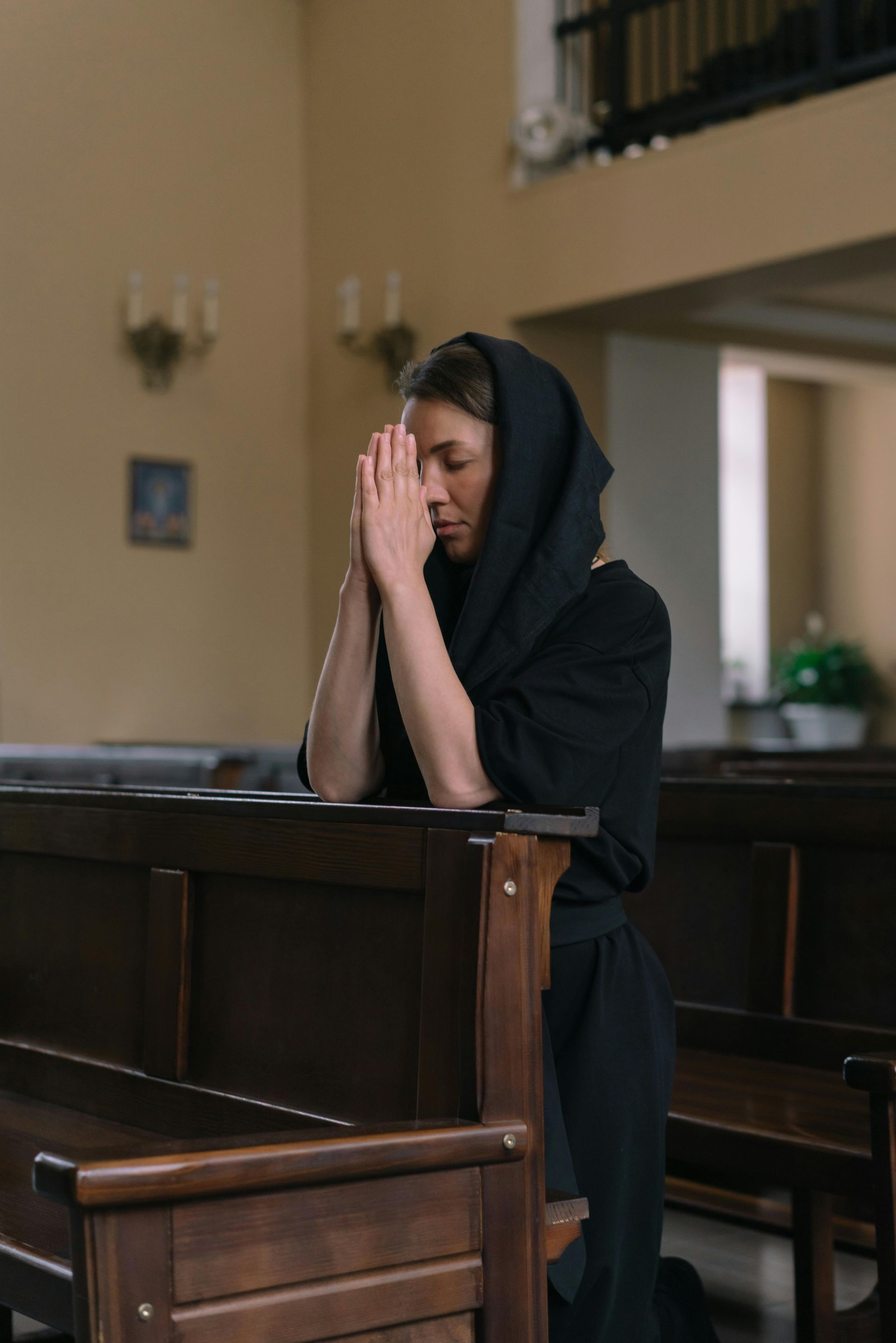
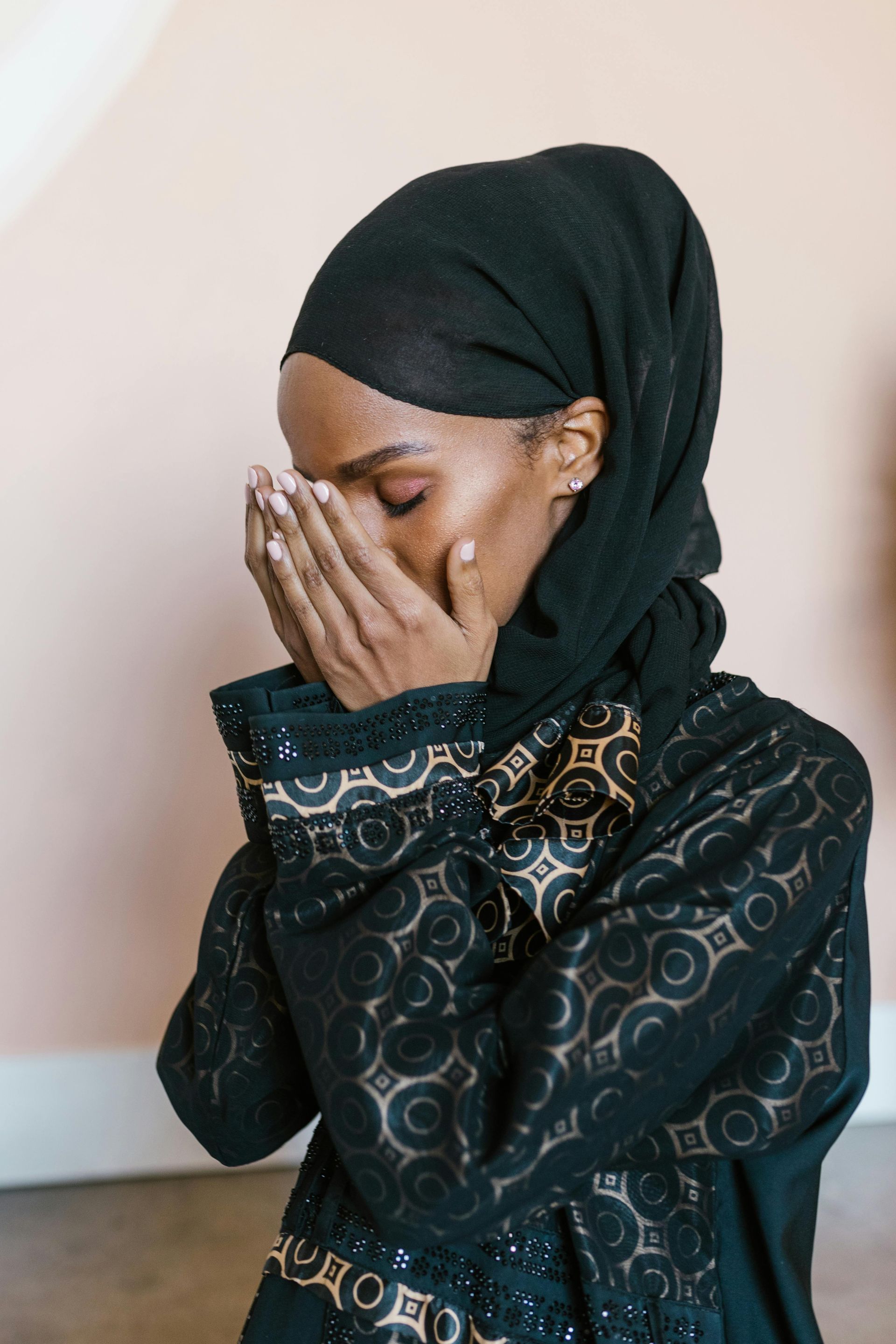
In a world where fashion often prioritizes attention over intention, the concept of modesty can feel like a forgotten thread. Yet, for women who seek to live according to the Word of The Most High, dressing modestly is more than a personal preference it is a spiritual standard. Scripture provides guidance not only for our speech and conduct, but also for how we present ourselves outwardly.
Biblical modesty is not rooted in shame; rather, it is grounded in honor, humility, and reverence.
A Heart Aligned With Holiness
True modesty begins within. What we wear should be an outward reflection of an inward posture one that fears the Most High and desires to honor Him.
The Apostle Paul exhorts women clearly:
“In like manner also, that women adorn themselves in modest apparel, with shamefacedness and sobriety; not with broided hair, or gold, or pearls, or costly array; But (which becometh women professing godliness) with good works.” — 1 Timothy 2:9–10 (KJV)
This passage invites us to examine the spirit behind our style. Modesty is not merely about avoiding revealing clothing; it is about choosing humility over vanity and purpose over performance. Our attire should align with our confession of godliness.
“Modesty is not about hiding—it is about honoring the God we represent.”
Covering Ourselves With Wisdom
From the very beginning, modest covering was connected to spiritual awareness. After Adam and Eve sinned, they recognized their nakedness and attempted to cover themselves with fig leaves. Yet, in His mercy, the Most High provided something more suitable:
“Unto Adam also and to his wife did the Lord God make coats of skins, and clothed them.” — Genesis 3:21 (KJV)
This moment reveals that modesty was not man’s idea it was God-established. The “coats of skins” signify intentional, sufficient covering, reflecting His standard rather than human improvisation. It reminds us that wisdom in dress comes from obedience, not trends.
Modesty Reflects Our Identity
As daughters of the Most High, we are ambassadors of His kingdom. Our appearance should reflect the holiness to which we are called:
“Because it is written, Be ye holy; for I am holy.” — 1 Peter 1:16 (KJV)
Holiness is not confined to worship settings. It extends into daily life how we speak, how we behave, and how we dress. Clothing that is modest, clean, and intentional communicates dignity, self respect, and reverence for our Creator.
A Culture Set Apart
Biblical modesty is countercultural. While modern society glorifies exposure and self-promotion, Scripture calls us to glorify the Father. Just as Israel was set apart, so are we:
“And ye shall be holy unto me: for I the Lord am holy, and have severed you from other people, that ye should be mine.” — Leviticus 20:26 (KJV)
Our garments speak before our mouths ever do. They can quietly proclaim, “I belong to Ahayah,” and invite curiosity about the faith we live out.
Final Stitch
Modesty is not about limitation it is about liberation. It frees us from the pressure to conform to worldly standards and anchors us in divine identity. Dressing modestly is not reserved for church services or special occasions; it is a daily declaration of faith, humility, and honor.
Let us be clothed not only in fabric, but in righteousness.
“Strength and honour are her clothing; and she shall rejoice in time to come.” — Proverbs 31:25 (KJV)
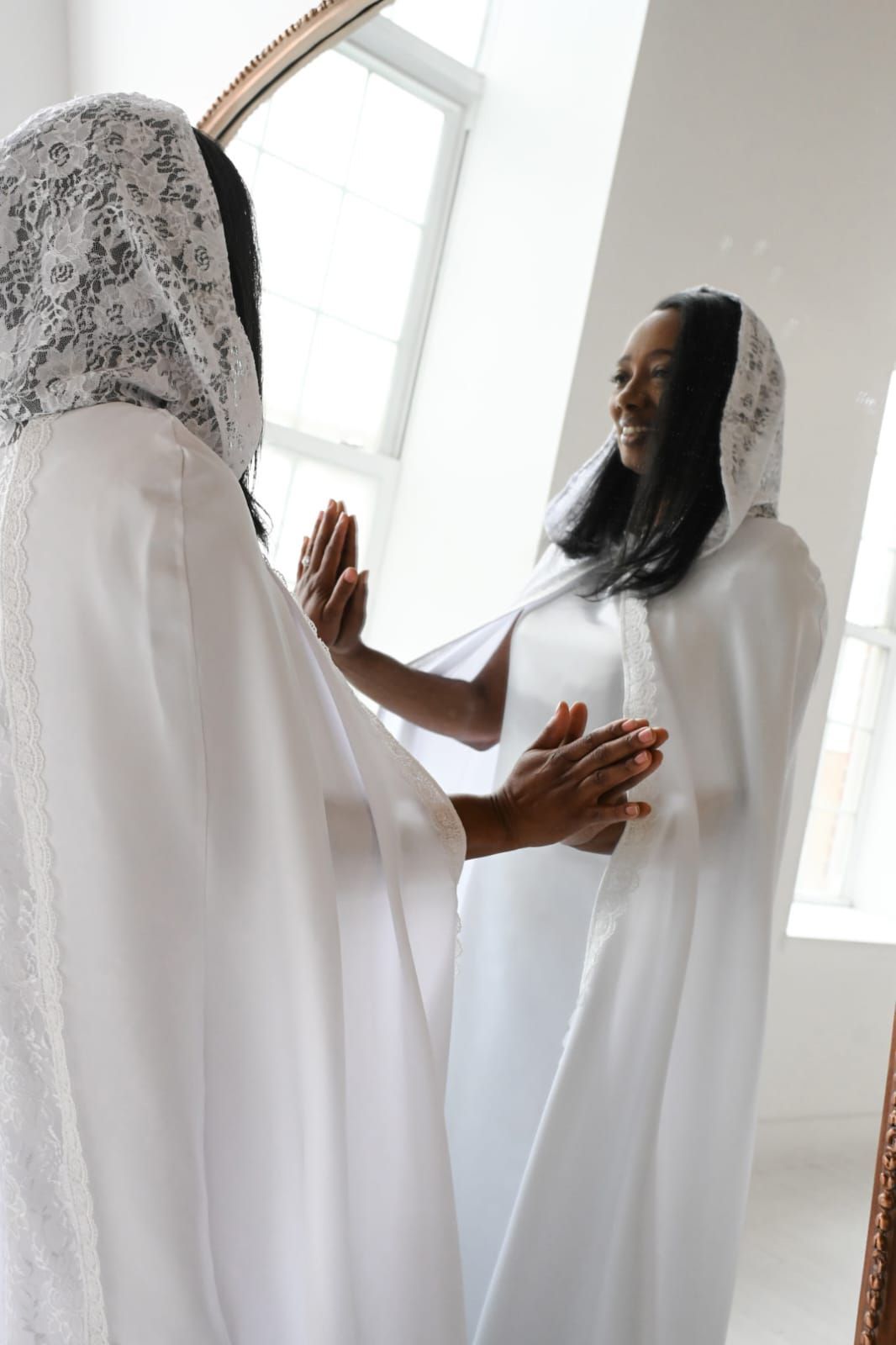
The Divine Purpose of Womanhood
A Conversation
with Shamaryah Nicole

Introduction
In a culture that often blurs strength with self-assertion and holiness with restriction, the biblical design of womanhood can feel misunderstood—or even unattainable. In this thoughtful interview, Shamaryah Nicole speaks with clarity and grace on the divine purpose of women, redefining helpmeet, meekness, love, success, and spiritual influence through the lens of Scripture. Her insights remind us that godly womanhood is not about limitation, but alignment.
Understanding Divine Design
Many women hear the word helpmeet and misunderstand its meaning. From your understanding of Scripture, how would you explain the divine purpose of a woman as a helpmeet, and how does this role reflect strength rather than weakness?
Shamaryah:
Biblically, a helpmeet is not a lesser role. The same word used to describe a woman as a helper is also used to describe The Most High as our support. That alone shows the strength embedded in the design. A helpmeet is a woman who is discerning, capable, and aligned with The Most High’s order. Her role reflects strength through wisdom, support, and intentional growth. She is made in His image.
Meekness, Quietness, and Power
Scripture speaks of a meek and quiet spirit as precious in the sight of God. How do you define meekness biblically, and how can women cultivate this spirit while still being confident, bold, and effective in their calling?
Shamaryah:
Meekness in Scripture means strength under control, not weakness. It’s the ability to be firm, bold, and confident while remaining submitted to The Most High’s authority. A meek and quiet spirit flows from trust—trust that He will defend, guide, and establish. When we know who we are in Him, meekness refines our power rather than diminishing it.
Holiness in Speech, Behavior, and Appearance
In a culture that promotes self-expression without boundaries, what does holiness look like in a woman’s speech, conduct, and appearance—and why do these outward expressions still matter today?
Shamaryah:
Holiness is alignment with The Most High in every area of life. In speech, it looks like being slow to speak and allowing the Holy Spirit to give us words that edify. In conduct, it’s consistency and integrity. In appearance, it’s intentional modesty that reflects reverence and self-respect. Outward expressions still matter because they communicate values and honor the body as His vessel.
Is Biblical Womanhood Really Possible?
When women hear the call to be helpmeets, holy in character, gentle in spirit, and disciplined in conduct, it can feel overwhelming. In your experience, is living out biblical womanhood truly attainable, and what makes it possible?
Shamaryah:
Yes—however, only through The Most High’s grace. Biblical womanhood isn’t about perfection; it’s about surrender and growth. When we stop striving in our own strength and allow Him to shape us daily through His Word, obedience becomes sustainable and freeing.
Teaching the Next Generation
Scripture calls women to teach children and train younger women in what is good. What are some practical ways women can disciple young girls and young women in godly womanhood within their homes, communities, and churches?
Shamaryah:
Discipleship happens through example and presence. Our young daughters of Zion learn best by observing how we live, speak, and carry ourselves. Inviting them into our everyday lives—through prayer, creativity, conversation, and Bible study—creates organic opportunities to model godly womanhood within our homes, churches, and communities.
Mentorship & Spiritual Motherhood
What role does mentorship play in shaping godly women, and how can older or more mature women step confidently into spiritual motherhood without fear or intimidation?
Shamaryah:
Mentorship provides guidance, stability, and perspective. Spiritual motherhood isn’t about having all the answers; it’s about walking faithfully and sharing wisdom from Scripture and personal testimony with humility. When mature women serve from obedience to the prompting of the Holy Spirit rather than fear, mentorship becomes a natural extension of faith.
Strengths and Challenges of Godly Womanhood
From your personal journey, what strengths have developed as you pursued godly womanhood? What challenges required the most surrender or unlearning?
Shamaryah:
One of the greatest strengths I’m developing is discernment—knowing when to speak, when to wait, and when to act. Discipline has also grown, especially in how I steward my time, creativity, and responsibilities.
The greatest challenges required unlearning cultural narratives around independence and control. Surrendering in patience and leaning on Christ’s example has been a continual refining process. Godly womanhood has taught me that yielding is not losing—it’s being properly aligned.
Love: Biblical vs. Cultural
Redefining Love
Many young women are taught that love is primarily romance or finding “the one.” When you look at how Christ loved the Church, how would you define love biblically?
Shamaryah:
Biblical love is sacrificial, committed, and rooted in truth. Christ loved the Church by giving Himself fully—not by chasing feelings or convenience.
Culturally, love is often defined by emotion and self-fulfillment. Biblically, love is responsibility, service, and faithfulness, even when it costs you. That difference reshapes how we view relationships, marriage, and our value before God.
Success, Calling, and Purpose
What Is True Success?
How do you personally define success, and how has Scripture shaped that definition?
Shamaryah:
Success, to me, is faithfulness. Scripture reshaped my understanding by teaching that fruit matters more than recognition. Success is building with obedience and integrity, knowing that lasting impact comes from alignment—not applause. This applies to my marriage, ministry, work, and every role I steward.
Purpose and Productivity
Do you believe it’s possible for a woman to walk fully in her biblical role and divine purpose while still being productive and influential? What does that balance look like in practice?
Shamaryah:
Yes, it is absolutely possible. The balance comes from order. When The Most High is first, everything else finds its place.
In practice, this means prioritizing what He values—our relationship with Him, the Body of Christ, service, and integrity—while using the gifts He’s entrusted to us. Productivity doesn’t compete with purpose; it becomes an extension of it when done in alignment.
Closing Reflection
Shamaryah Nicole’s testimony reminds us that biblical womanhood is not a burden to carry, but a calling to walk in—with grace, strength, and divine order. In a world striving for identity, her words gently call women back to alignment, purpose, and peace.
Contributor
Shamaryah Nicole
Wife, mentor, and servant of The Most High, Shamaryah is passionate about discipling women into biblical alignment, spiritual maturity, and purposeful living through faith, obedience, and example.
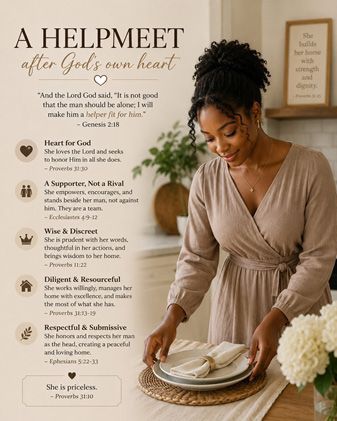
BIBLICAL COURTSHIP, PRAYER, AND PATIENCE
A CONVERSATION
WITH JASLYNE FREEMAN
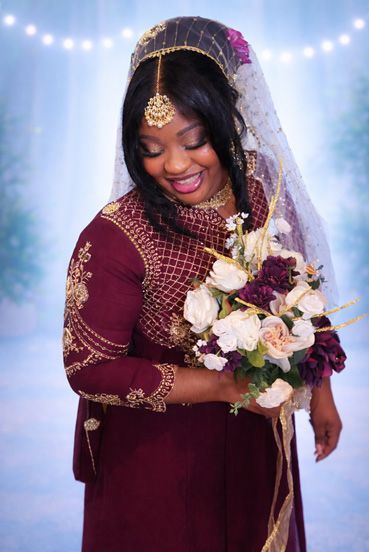
Also known as Shamachaah Napash, “Joyful Soul”
Interview Feature | The Chaste Woman Magazine
Biblical courtship is more than a relationship process. It is a spiritual journey of obedience, healing, patience, and trust in The Most High. In this heartfelt interview, Jaslyne Freeman, also known as Shamachaah Napash, shares her testimony of transformation, prayerful preparation, healing, and how Ahayah led her into a righteous union. Her story offers encouragement for women who desire marriage and are seeking to honor The Most High in every season.
“The key to having a blessed relationship starts with knowing how to trust Ahayah.”
Opening & Background
Tell us about yourself and your journey in the faith.
Jaslyne Freeman:
Shalom, my beloved family.
I am Jaslyne Freeman, also known as Shamachaah Napash, which is my Hebrew name meaning joyful soul. First and foremost, I am a daughter of Ahayah. I cannot say that lightly. His name holds weight, and He is the one and only God I serve. He is the reason I am alive today, the center of my life, and my focus.
I am very grateful and thankful for all He has done for me and for where He has brought me from. On this journey in the truth, it has been both a compelling and momentous odyssey. It took time for me to learn how to truly serve The Most High by shedding the layers of my old woman and transitioning into what Ahayah has called me to be. I had to learn discipline in my thoughts and actions, along with wholehearted obedience.
I quickly realized that blessings from on high come through working faith, sincere repentance, and an obedient nature. I aspire to all the greatness The Most High has for me, and I look forward to enduring until the end, Most High willing.
The Inspiration Behind Biblical Courtship
What drew you to the idea of biblical courtship rather than modern dating?
The inspiration of biblical courtship versus modern dating was very profound for me. I knew for certain that I wanted Ahayah’s will to be done in my life. I wanted Him to bless me with a righteous love and relationship, rather than allowing the adversary to send one of his deceiving agents to wreck my life again with an unequally yoked relationship full of hindrances. La’ah—I was done with that.
The key to having a blessed relationship starts with knowing how to trust Ahayah. How would I know how to be a good, submissive wife to a man if I did not first know how to serve, love, submit to, and obey my God? It all began with my daily devotion and dedication to Ahayah.
Prayers for a Future Husband
Before meeting your husband, what were your specific prayers?
Before I met my husband, I prepared a prayer closet with strong-willed prayers full of the needs and desires I sought from The Most High. One particular prayer card was titled, “My Future Husband, If It Be Your Will, Lord.”
I desired a man who knew how to serve and love The Most High the way I did. I prayed for a man who would lead in righteousness, with love and understanding, who desired to be a good father, and who would provide, protect, and teach his family. I desired someone I could build with—someone who would accept me and love me unconditionally.
Even the desires I could not fully utter in prayer, my faith believed Ahayah would provide. I prayed for someone who would fill the empty voids I had never seen fulfilled by a man. I prayed for my husband to be kind, loving, and pure-hearted like me, but also strong in all his ways. My soul craved a man of God to lead me.
Preparing for Courtship Spiritually
How did you prepare your life for a season of courtship?
To prepare my life for a season of courtship, I continued my journey in the spirit of prayer. I often fasted and meditated on the Word. I studied the biblical stories of marriages and the prayers of our ancestors in the Scriptures, and of course the Proverbs 31 woman.
Although these passages were beneficial to learn from, I knew spiritually that I needed a renewed mind. I needed to walk righteously, remain rooted in Ahayah’s will, become a usable vessel, and understand my role as a woman and a potential wife.
Healing Before Union
What personal work did you need to do before entering courtship?
Before I could even consider courtship, I had to evaluate my inner trauma, pain, and trust issues. I knew I had to relieve myself from the toxic cards my old life had dealt me. Mentally, I knew I was baptized, but I still had to make it through the battlefield in my mind.
There was a time when I was blinded by what I thought was love, and I never understood why loving someone could be so hard. It turned out that I never truly knew what it felt like to be loved—I only knew how to give love. A deep urgency of healing had to take place.
At a young age, I carried many burdens. I became a single mother. Restless days and sleepless nights followed me. I worked multiple jobs, was used and abused in many ways, lied to, and neglected—all while continuing to give my love. I constantly poured out of my cup, only for it never to be replenished in return.
I also had to change my way of thinking and speaking. The strength that resided in me had to be toned down before I could even think about becoming a wife who would listen to and obey her husband, rather than dominate him. Coming into this truth, I realized I did not have to fight for roles to be reversed anymore. I had been doing the choosing and never allowed myself to patiently wait on what The Most High had in store for me. Many layers fell off, and I could finally see that I could operate in the essence of my purpose as a woman should.
“I never really knew how it felt to be loved. I just knew how to give it.”
How the Courtship Began
How did your courtship with your husband begin?
My husband Joseph and I began to have eyes for one another. For me, it was not until I received three confirmations from The Most High—through my daughter, myself, and my mother. Before that, I was not focused on a man. I was simply focused on serving The Most High in any way I could.
Joseph approached me and inquired about my interest to see if it was mutual, and I agreed. The elders and marriage counselors were informed, and we proceeded in decency and order according to the church courtship protocols.
Boundaries and Structure in Courtship
What boundaries or structure helped your courtship succeed?
In order for our courtship to succeed, Joseph and I knew we had to operate in the spirit. Keeping our flesh low and our spirit high, we prayed, fasted, and abided by the protocols. We enjoyed our dates and conversations as much as we could, taking full advantage of the timeframe given.
We wanted The Most High to bless our relationship and marriage, so we honored Him throughout the entire process.
The Role of Accountability
What role did accountability and wise counsel play in your journey?
My mother has always been a strong spiritual influence in my life. She is such a woman of faith and positivity, and she encouraged me throughout this process whenever I needed her.
The teachings of the elders of GOCC also provided hope. Their lessons on accountability, righteous unions, and the consequences of fornication shed great light on our path. Our marriage counselors were handpicked by The Most High in their ministry of guiding couples. We enjoyed every bit of our sessions with them. It was a smooth and easy process.
Montee and Eliana, thank you. We are forever grateful for your service. APTTMH.
Biblical Courtship vs. Modern Dating
What are the key differences between biblical courtship and modern dating?
I believe one of the key differences in biblical courtship is that it teaches patience and understanding while trying a person’s spirit. Courting the biblical way is a beautiful way of proving your pursuit as a friend, as someone suitable, and as someone trustworthy. Taking the time to truly get to know someone is far better than rushing. Mastering temperance and obedience through the trial of courting can be very rewarding and pleasing unto The Most High.
In my opinion, the modern concept of dating involves too much temptation and impatience. It can lead someone into the hands of a narcissistic or deceitful man or woman, leaving them blindsided. Often, there is a mutual attraction based mainly on physical appearance or expectations that can lead people down a rabbit hole. Some believe that “testing the waters” first is necessary, but that can leave many disappointed, ashamed, or full of resentment.
A Message to Women Waiting for Marriage
What would you say to women desiring marriage in today’s world?
Women should understand that they are more valuable than what the world displays. If we wait patiently and seek God first, we will come to understand that He knows exactly what we need and who to provide as our husband.
Allow a man to find you through The Most High, and He will bless you both in due season. The love inside of you was meant for that special chosen man of The Most High who knows that your value is far above rubies. The man who finds you through God is meant to lead you in love and righteousness and save you from a world of troubles.
Life After Marriage
How has marriage changed your life so far?
So far, my life has changed in many good ways. To name a few, I now have a more stable and reliable support system, less stress, a deeper emotional connection with the man I love, and a bond of love that is freely given between us on many levels.
Besides romantic or thoughtful surprises, there has not been anything that has truly shocked me in our new marriage. With Ahayah on our side, we will get through any new challenges that come our way.
Feeling Equipped for Marriage
Do you feel there are any missing pieces as you navigate this new season?
Truthfully, our sessions with our marriage counselors helped me check off many of those boxes. With our marriage being fresh—praise Ahayah—I do not feel like I am missing a piece of our puzzle.
Encouragement for Single Sisters
What encouragement would you offer to single sisters who desire marriage?
My dear sisters who desire marriage: stay prayerful and focused on The Most High. Everyone’s waiting season comes with different trials and tribulations, but remain hopeful and express your desires to The Most High through prayer and conversation.
Continue to be a servant in ministry. If you are not already part of one, find a ministry that aligns with your gifts and abilities so The Most High can see you as a willing and usable vessel. His timing is always perfect, and He knows when to join you to your ordained helpmate.
Do not worry. Do not stress. Just trust in The Most High.
Practical Advice for the Waiting Season
What practical things should women work on while waiting?
During your waiting season, here are a few practical things to work on:
Focus on your emotional intelligence. Make sure you are able to manage what triggers your emotions. Control your tongue, and remember that tears are not always necessary. Think before you speak and before you act.
Build your confidence. Strengthen your posture, your sense of ability, and your health. Cultivate self-reflection concerning your needs and values, and set healthy boundaries. Improve your financial literacy and budgeting skills. Most importantly, continue growing spiritually and improving your communication.
Mindset Entering Courtship and Betrothal
What mindset should a single woman have when entering courtship?
As a single woman entering courtship, transition your mind into this:
“Here I am, your potential wife. I am going to show you who I am and that I am ready for marriage.”
This is your trial run—the season you desired. Then, as courting transitions into betrothal, have the mindset:
“I am already his wife, just waiting to seal the deal now. This is us forever, until death do us part.”
Take it all in step by step, and accept it fully. Do not hold back. If you have doubts, bring them forth to him or to your counselors for guidance. There is no turning back once the covenant is made.
A Scripture That Carried the Journey
What scripture carried you through courtship and still carries you today?
The scripture that carried us through courtship, and still does today, is Jeremiah 29:11–12 (KJV):
“For I know the thoughts that I think toward you, saith the Lord, thoughts of peace, and not of evil, to give you an expected end. Then shall ye call upon me, and ye shall go and pray unto me, and I will hearken unto you.”
During the entire courtship process, and now in marriage with my husband, I truly trust in Ahayah and seek His help through prayer and through Yashaya Christ in all things, because I know He has the final determination of our expected end and how our lives are lived out in every circumstance.
One Word That Defines the Journey
What is one word you would use to describe this season?
Patience.
Closing Reflection
Jaslyne’s testimony is a reminder that biblical courtship begins long before a woman meets her husband. It begins in prayer, surrender, healing, and obedience. Her journey shows that waiting is not wasted when it is placed in the hands of The Most High. For every woman desiring marriage, her story offers this gentle reminder: remain faithful, remain prepared, and trust Ahayah’s perfect timing.
RETURNING TO EDEN :
THROUGH NATURALLY YOU
WITH SISTER MJ
RETURNING TO EDEN :
THROUGH NATURALLY YOU
WITH SISTER MJ
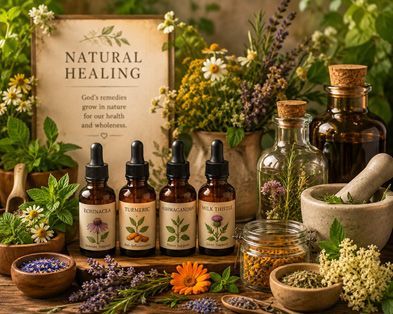
Interview with Sister MJ: Returning to Eden Through Naturally You
Q1. Sister MJ, can you share what inspired the birth ofNaturally You, and howyour work ties into the divine design of the woman’s body as created by the MostHigh?
A.I returned to Eden—literally and spiritually. I once had a website and connected withTasha Sky, who had a radio station. She told me,“You can share your message overthe air.”I started with coaching, but many couldn’t afford it, so I simply helped when Icould. Later, Tasha Sky connected me with Brother Alex, and everything began to flow.If we truly return to Eden, we would be in such a better case. Eden had every nutrientand provision our bodies need. I was working a regular job but would come home andmake kefir and natural products for people who couldn’t do it themselves. I prayed andtold the Most High I wanted this to be about Him. I asked Him for scriptures—and Hegave them. My work is built on those words. If my experience can save even one soul orrestore one woman’s health, that’s the true blessing.
Q2. When you reflect on the creation of Eve, what stands out to you about thethoughtfulness and care the Most High used in designing the female body?
A.There is such divine balance. The Most High gave the woman calmness, strength,and gifts that make her both a foundation and a beautifier. He gave us the womb, theability to breastfeed, and even probiotics that nourish the child from our own bodies. Weare uniquely designed—able to walk into a room and shift its atmosphere. We mustalign ourselves with the heavens to walk in that power.
Q3. What does it mean to return to the “authentic creation” of womanhood,especially through the lens of health and healing?
A.It means keeping nature at the forefront. Everything we need is already in the Bible.We were designed for covenant—one woman, one man, to leave and cleave. Scripturegave us structure and beauty. My goal has been to bring my body back into that divinealignment.When I moved to Tennessee, I searched for the best water, found an organic farm, anddiscovered a sewing club. I began teaching sewing and builtThe Forest Linen—a linenbusiness inspired by biblical fabric and natural living.
Q4. We see a growing epidemic of women battling hormonal imbalances, PCOS,infertility, and chronic menstrual issues. How did we drift so far from the originalhealth blueprint the Most High gave us?
A. It starts with the foundations—what we wear, eat, and put on our bodies. We’re at war, but not on a physical battlefield. The war is in our homes, our food, our beauty products. The enemy studies what we like and profits off of it. We must say “no more”and return to Scripture.
I battled fibroids and hormonal imbalance myself. We’ve trusted the world’s systems more than the Word. My father was a preacher into health, yet I found myself in poor condition. That forced me to stop, pray, and change. Methuselah didn’t eat every day— he fasted. I began fasting and seeking the Father for discipline. Healing comes when we believe, prepare, and do the work.
Q5. Are there spiritual or lifestyle choices contributing to the rise in reproductive and hormonal disorders among women today?
A. Absolutely—the clothing, television, music, and fast-paced lifestyle all play a role. The enemy attacks our pineal gland—the seat of our spiritual connection. The government studies us, profits off our weakness, and even uses birth control to manipulate our hormones. We idolize beauty and people who don’t serve our God. We wear synthetic fabrics, eat
chemical-laden food, and follow trends that harm us. We must return to Eden—to what is holy, natural, and separate.
Q6. Do generational habits, trauma, or food systems play a role in the physical decline of the woman’s body?
A. Yes. If we don’t transfer knowledge, we stay in a bad case. We must teach our children what we’ve learned so they can do better.
Q7. What does it look like, practically and spiritually, for a woman to begin
returning to her purest physical form?
A. Through fasting, prayer, and investing in our health. Food is expensive, yes— but it’s an investment in life. Community matters too; in ancient times, families lived close and shared resources. We need that again.
Q8. What are the first signs a woman should pay attention to that show her body is out of alignment with its natural order?
A. Hormonal changes. Lumps, excessive breast tissue, facial hair, and cysts are signs that the body is not balanced.
Q9. You often emphasize natural healing—how can women begin detoxing physically and spiritually from chemicals and processed foods?
A.Start with the parasites—they’re lab-created and cause most diseases. Fix the gut first with probiotic foods like kefir and yogurt, restore the microbiome, detox the liver, and remove parasites naturally. We must return to what’s natural, not what’s normal.
Q10. Is it possible to heal from conditions like PCOS, endometriosis, or infertilityjust by changing diet?
A. Yes—but healing begins with removing parasites and emotional trauma. Use essential oils, castor oil packs, and replenish minerals. Take iodine internally and externally. We come from the dust, and minerals return us to balance.
Q11. What foods would you call “Edenic” or original to the woman’s healing?
A. Foods rich in iodine, vitamin D, omega-3s, and fermented foods. Drink pure spring water, eat organic, and rest well. Replace polyester with linen—our clothing affects our
health too.
Q12. What role do herbs, seeds, and minerals play in restoring hormonal balance and womb health?
A. Keep the liver detoxed with bitter herbs like dandelion and milk thistle.
Q13. The question is—how committed are we to actually taking the herbs?
Have grace for yourself. Healing is progress over perfection. Eat to heal, move your body, and get good sleep.
Q14. How can we merge faith, obedience, and nutrition to walk in divine health as daughters of the Most High?
A. Through discipline, prayer, fasting, and consistency. Prioritize your health as you would your salvation. Are you giving your family the best within your means?
Christ brings peace and calm—our homes should reflect that peace. Disconnect from the chaos of society and restore order in your home, food, and routines.
Q15. What does being “Naturally You” mean in a generation of quick fixes and synthetic living?
A. It means defining who I am in Christ—living in peace and purpose. It’s creating a circle of like-minded women, building community, and governing my home as a natural, holy space. I choose what comes into my body and my house.
Q16. What’s your prayer or final encouragement for women who are struggling to trust their bodies again or believe healing is possible?
A. Remember—we were made to live forever. Sickness is not of the Most High. Ask Him for help. Create the life you desire through obedience and prayer, and guard it. Healing happens when we align with Christ.
Q17. Where can women find your resources or connect with you further?
A. Naturally You Podcast The Forest Linen
Contact:
mjabengradio
Living by God’s Fruits
A Titus 2 Conversation with Nia Gaines
Interviewed by Brittiny Roseberry
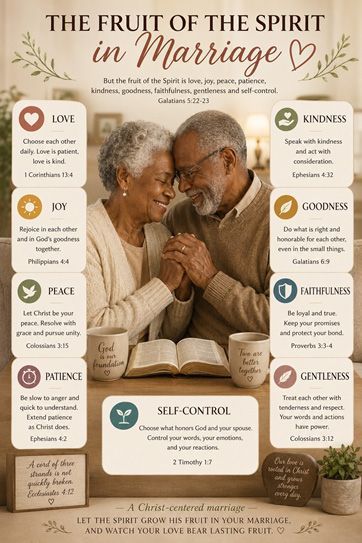
Editor’s Introduction
Titus 2 calls older women to live reverent lives, marked by self-control, sound judgment, and the ability to teach what is good. In this candid and Spirit-led conversation, Nia Gaines shares her testimony of surrender, self-discipline, service, and trust in God’s will. Her story reflects the quiet strength, honesty, and maturity of a woman who has learned that true fulfillment comes not from control or achievement—but from obedience and service.
Living by God’s Fruits
Brittiny: How has reverence for God shaped your daily life, especially in marriage and moments of conflict?
Nia:
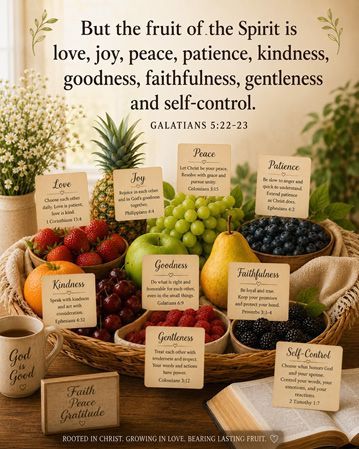
Reverence for God shows up in how I handle my emotions and how I respond during conflict—especially in marriage. I try to live by the fruits of the Spirit, even when it’s hard. That doesn’t mean I’m perfect, but it does mean I see challenges as opportunities to grow. As life changes, patience and understanding become even more important.
Practicing Forgiveness and Trust
Brittiny: Forgiveness is a recurring theme in your walk. What has that journey looked like for you?
Nia:
Forgiveness is daily. It’s not something you do once and move on from—it’s a practice that requires the Holy Spirit’s help. I’ve had to learn to let go and trust God’s plan over my own, especially in education, business, and personal struggles. Self-control matters, even in small things like wine consumption. I’ve learned that spiritual growth must always come before physical pleasure.
Overcoming Addiction Through Faith
Brittiny: You shared openly about overcoming addiction. How did faith and discipline play a role?
Nia:
Submitting to the Holy Spirit changed everything. Sobriety required hard decisions and daily discipline, but it also clarified my purpose—especially seeing my marriage as a ministry. I realized I had been chasing goals and achievements without asking God for direction. Surrendering to His will brought transformation and clarity I didn’t have before.
Pull Quote:
“I had everything I thought I wanted, yet still felt unfulfilled—until I surrendered to God’s plan.”
Surrendering Control for Personal Growth
Brittiny: You spoke about operating in “survival mode.” What did that season teach you?
Nia:
Survival mode feels like control, but it’s actually exhausting. I was stressed, tired, and focused on the wrong things. I prayed, but I was still relying on my own strength. Eventually, I realized I had to let go. True peace came when I stopped trying to manage everything and trusted God completely.
Trust and Godly Love
Brittiny: How has your understanding of godly love evolved?
Nia:
God taught me to let go—especially in social spaces where negative influences were present. I’ve seen how God protected me when I trusted Him instead of my own understanding. Scriptures like 1 Corinthians 13 and the Beatitudes shaped my understanding of love. Godly love is unconditional, patient, and rooted in truth, even when it’s difficult.
Service as a Path to Fulfillment
Brittiny: You’ve shared that service is central to your identity. Why is that?
Nia:
Serving others is where I find purpose—whether that’s through prayer, encouragement, or something as simple as waiting tables. Titles and achievements don’t define my value. Service does. I want faith conversations to be real and relatable, not just traditional Bible study. Serving others keeps me grounded and fulfilled.
Faith, Fellowship, and Generational Healing
Brittiny: What role does intergenerational fellowship play in a woman’s faith journey?
Nia:
It’s essential. My faith began at age five through prayer, praise, and worship. But younger women today often feel judged or unsafe in church spaces. Older women must create nurturing environments where younger women feel seen, heard, and supported—not criticized.
Embracing Authenticity in Faith
Brittiny: What would you say to younger women who feel pressured to “look” a certain way in church?
Nia:
Religion and tradition can sometimes push people away from God. I’ve been there—feeling pressured to change outwardly instead of being loved inwardly. True transformation comes from God, not from people’s expectations. Authenticity matters. Love, compassion, and acceptance should always lead.
Faith and Action in Balance
Brittiny: How do faith and action work together in your life?
Nia:
Faith without action doesn’t work. God provides, but we still have to move—work, sacrifice, tithe, and grow. Obedience requires participation. Faith isn’t passive; it’s active trust.
Truth, Womanhood, and Legacy
Brittiny: What message would you leave for women navigating today’s cultural confusion?
Nia:
Discern truth carefully. The world is full of lies about womanhood. I’ve seen the fruit of obedience in raising faith-filled daughters and grandchildren. God gives us freedom to choose—and choosing wisely is a gift. Ministry starts at home and flows outward.
Closing Reflection
A Titus 2 woman is not defined by age, but by maturity, humility, and obedience. Through transparency and lived faith, Nia Gaines reminds us that surrendering control, serving others, and trusting God’s truth leads to a life that bears lasting fruit—for generations to come.
Wilderness Ready for the Kingdom to Come
A Call to Spiritual and Practical Preparedness
By Shamaryah Nicole
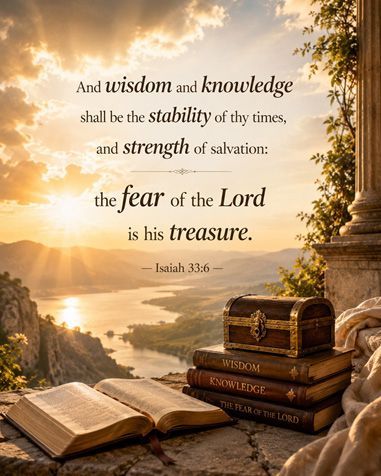
“And wisdom and knowledge shall be the stability of thy times, and strength of salvation:
the fear of the Lord is his treasure.” — Isaiah 33:6
Introduction
As the world grows increasingly unstable, many believers feel a call to prepare—not in fear, but in faith. The ancient paths remind us that preparation is part of righteous living. From Joseph storing grain in Egypt to the wise virgins with oil in their lamps, Scripture testifies that being ready is not just wise—it’s holy.
This first quarter of the year is an invitation to lay a firm foundation. Our goal isn’t merely survival; it’s Kingdom endurance.
Below is a curated summary of 13 foundational steps that blend emergency preparedness with spiritual growth, drawn from the journal project Wilderness Ready for the Kingdom to Come: A 52-Week Preparedness Journey.
1. A Heart Prepared
“Gird up the loins of your mind…” — 1 Peter 1:13
The first step isn’t food or gear—it’s mindset. We prepare not out of panic, but to walk in peace. Reflect, fast, and ask the Father to reveal what must be released and what must be embraced.
Reflection Question:
In what ways is the Most High calling me to spiritually “gird up” for the days ahead?
2. Emergency Plans That Protect
“The prudent man foreseeth the evil…” — Proverbs 27:12
Every household should have a plan—because love protects. Design a simple emergency plan: exit routes, meeting points, and emergency contacts. Let your family know what to expect, and revisit the plan monthly.
Reflection Question:
If I had to leave my home today, what would I want to know or have ready?
3. Building a Family Emergency Binder
“Write the vision, and make it plain…” — Habakkuk 2:2
Organize medical records, insurance, contacts, and legal documents. Add spiritual declarations and Scriptures to read during hardship. This binder isn’t just for records—it’s for resilience.
Reflection Question:
How can I ensure our records reflect both order and faith?
4. Stocking the Essentials
“She… prepareth her meat in the summer.” — Proverbs 6:8
Begin with a three-day supply of food and water for each person. Gradually build toward a two-week reserve. Think simple, shelf-stable, and nutritious: beans, rice, oats, flour, canned fish, and dehydrated or freeze-dried fruits and vegetables.
Reflection Question:
Am I trusting the Most High to provide while also stewarding what I have wisely?
5. Preparing Spiritually
“Stand ye in the ways… and ask for the old paths.” — Jeremiah 6:16
Set aside regular time for fasting, repentance, praise, worship, and Bible study. Speak affirmations of faith rooted in the Word. We must prepare our hearts for spiritual wilderness as much as physical.
Reflection Question:
Am I returning to the basics—or relying on modern comforts to keep me secure?
6. Building Your Go-Bag
“And let him that is in the field not return back to take his clothes.” — Matthew 24:18
Prepare a backpack with first aid, food, water, hygiene items, important documents, cash, and a Bible. Include comfort items like a praise-and-worship playlist or a word-search/crossword book. Your go-bag should sustain you for at least 72 hours.
Reflection Question:
If I had to leave everything, what would I take to sustain my body and soul?
7. Household Gear & Tools
“If the iron be blunt… he must put to more strength.” — Ecclesiastes 10:10
Stock flashlights, batteries, solar lights, fire starters, a weather radio, water filters, and a way to cook without power. Don’t forget multitools, gloves, and a manual can opener. Preparation includes knowing how to use what you own—so practice.
Reflection Question:
Do I know how to use the gear I’ve collected?
8. Cooking & Food Storage
“And he gave them corn… and meat in abundance.” — 2 Chronicles 11:11–12
Practice cooking with stored foods. Learn to make basic meals from scratch. Rotate long-term storage, label expiration dates, and store grains, canned goods, and herbs—especially those with healing properties.
Reflection Question:
Can I prepare a full meal using only shelf-stable ingredients?
9. Water Is Life
“He clave the rocks in the wilderness…” — Psalm 78:15
Store at least one gallon of water per person per day for seven days. Learn purification methods and practice them now. Consider rainwater collection for long-term plans.
Reflection Question:
What water sources are nearby, and how can I make use of them?
10. First Aid Preparedness
“The Lord hath created medicines out of the earth…” — Sirach 38:4
Build a basic first aid kit and learn how to use it. Include herbs, essential oils, pain relief, modern bandages, and antiseptics. Invest in books and training. Care becomes ministry when crisis strikes.
Reflection Question:
Can my household confidently treat common wounds if cut off from modern care?
11. Home Security & Safety
“The angel of the Lord encampeth round about them that fear him…” — Psalm 34:7
Check locks, install motion lights, and build community watch systems. Beyond physical measures, cover your home in prayer and obedience. The safest house is one covered by the Most High.
Reflection Question:
Am I trusting man’s protection more than the covering promised to the righteous?
12. Communication Readiness
“Let every man be swift to hear, slow to speak…” — James 1:19
Prepare backup communication tools: walkie-talkies, radios, whistles, or satellite messengers. Create and practice a family check-in plan. Above all, tune your ears to hear the Most High in chaos.
Reflection Questions:
● Can I hear His voice above the noise of the world?
● How can my words bring clarity and peace in confusion?
13. Practice Sabbath Rest
“In returning and rest shall ye be saved…” — Isaiah 30:15
Don’t let preparation consume you. Build in holy rest. Practice gratitude. Prepare your home for peace—not panic. Let the wilderness train your heart to worship under the open sky.
Reflection Question:
Am I preparing out of anxiety—or faith?
Final Thoughts
Preparation isn’t just about what we store—it’s about who we become. We are not stockpiling fear; we are gathering faith, wisdom, and oil in our lamps. Let this season mark the beginning of a lifestyle rooted in intentionality, simplicity, and trust in the Great I Am.
Stay watchful. Stay holy. Stay wilderness ready—for the Kingdom to come.
Stewarding the Crown:
A Conversation on Healthy Hair
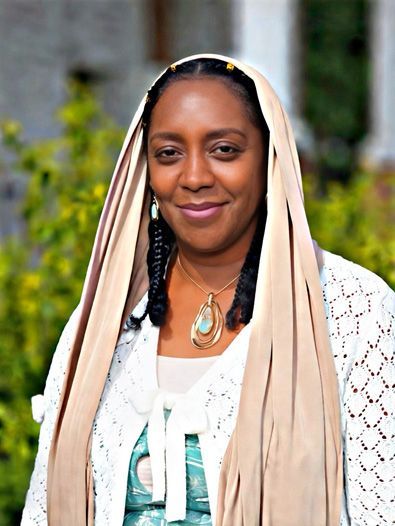
Interview with Sister Samantha
By Brittiny Roseberry
Introduction
In a culture flooded with hair trends, expensive products, and constant pressure to “fix” our hair, many women feel overwhelmed and disconnected from what healthy hair truly requires. In this candid conversation, Sister Samantha shares her lifelong hair journey and reminds us that healthy hair is not complicated—it is rooted in patience, consistency, and stewardship.
The Interview
TCWM: Can you share your personal hair journey? When did your healthy hair journey begin?
Sister Samantha:
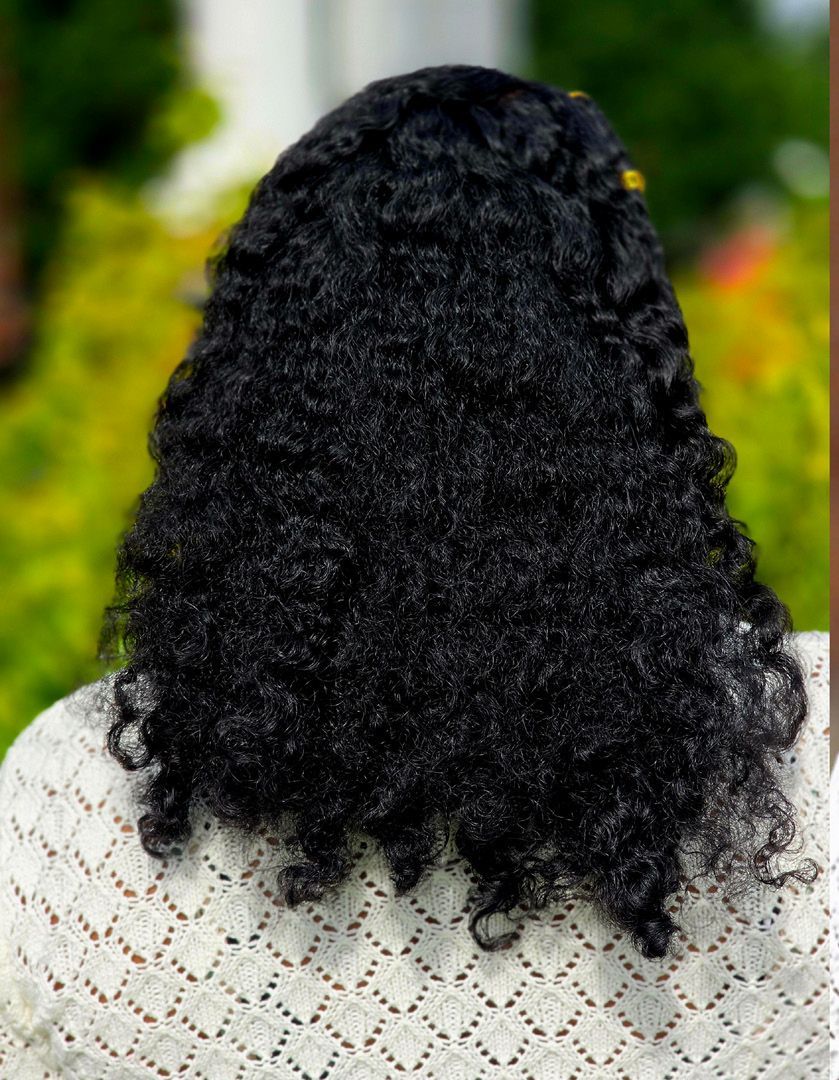
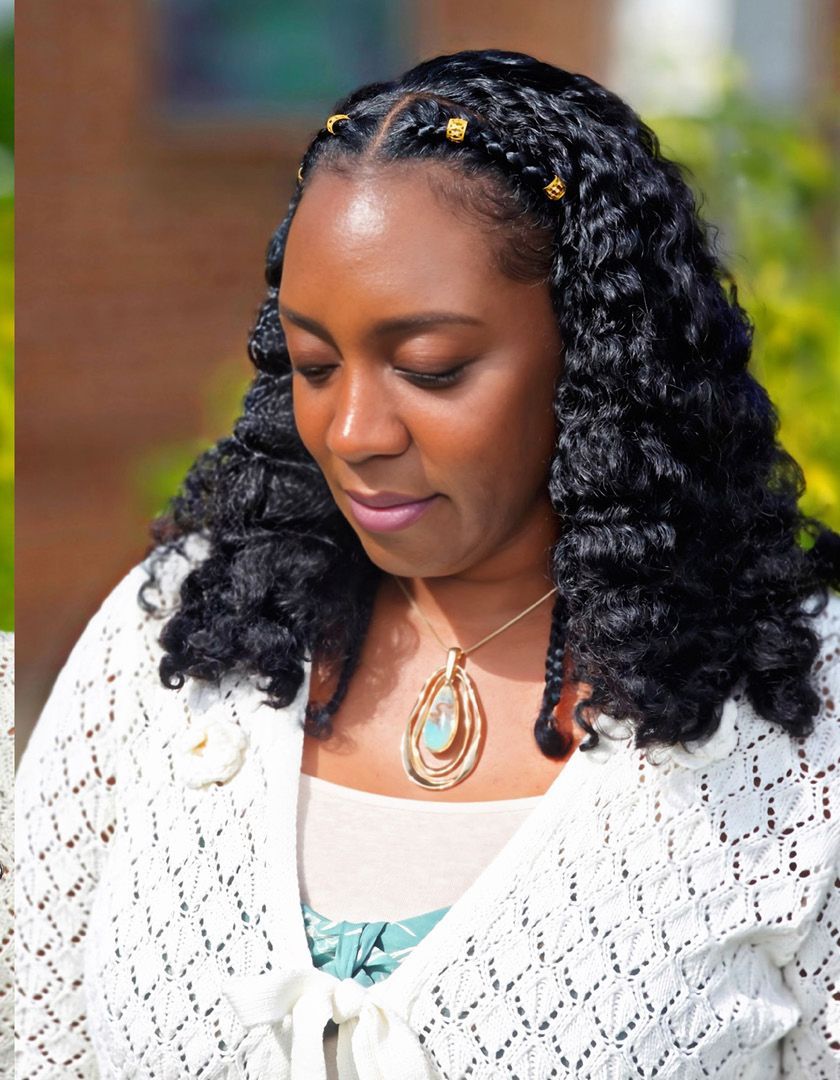
Believe it or not, my healthy hair journey started when I was twelve. I’ve always taken care of my hair. One of the main things I learned early on was not to do a lot of combing or brushing with tools. I mostly finger-comb my hair to detangle it so I don’t break my ends.
At night, when I was younger, I would moisturize my hair and put it into a French braid. Now that my hair is longer, I usually do two twists instead—but the purpose is the same: protecting my ends and locking in moisture.
TCWM: Have you ever chemically treated your hair?
Sister Samantha:
Yes. When relaxers became popular, I eventually convinced my parents to let me get one—but it wasn’t a good experience. It burned my scalp and took out my edges, even when I used sensitive formulas. That was a clear sign I never should have had it.
In college, I cut my hair very short and even bleached it. But when I grew it back, I went back to what I knew worked—gentle handling, moisture, and consistency.
TCWM: What does your wash and moisture routine look like now?
Sister Samantha:
I shampoo and condition, but I only detangle while the conditioner is in my hair. I rinse with lukewarm water instead of hot so the moisture stays in. After washing, I don’t rub my hair with a towel—I pat it dry with a T-shirt so it stays damp.
That dampness is important because moisture has to be locked in. I use a cream moisturizer and mix it with a small amount of oil in my hands, then apply it starting at my ends and working upward. When you do it that way, the moisture can last two to three days.
TCWM: How often do you wash your hair?
Sister Samantha:
Not often. Everyone’s scalp is different, so you have to listen to yours. When I was growing my hair intentionally, I washed every two weeks—and it grew very fast.
Our natural scalp oils help our hair grow. Over-washing strips the hair and dries it out. Sometimes the best thing you can do for your hair is leave it alone.
TCWM: Do you use expensive or specialty products?
Sister Samantha:
No. I use basic, store-bought products. I’ve used the same products many of us grew up with. It’s not about the product—it’s about what you’re doing with it.
I might spend fifteen to twenty dollars a month on haircare. I use a cream moisturizer, oil, and a detangling spray. I’ll add essential oils like tea tree for scalp health, peppermint for stimulation, and rosemary for growth—but I keep it simple.
TCWM: How do you approach trimming and heat styling?
Sister Samantha:
I flat iron my hair once a year, and that’s when I trim my ends. The rest of the year, my focus is on keeping my ends moisturized so I don’t need to cut a lot later.
Hair grows from the root, but length is retained at the ends. Moisture is the key.
TCWM: What does your nighttime routine look like?
Sister Samantha:
At night, I re-dampen my hair if needed, moisturize it, and put it into two twists or bantu knots. I wear a satin or silk scarf so the fabric doesn’t absorb the moisture.
How I set my hair at night determines how I wear it the next day. My nighttime routine is really my styling routine.
TCWM: What are some common haircare mistakes women make?
Sister Samantha:
Coloring—especially blondes and reds that require bleach—is a big one. Bleach is extremely damaging if you don’t know how to keep your hair moisturized afterward.
Another mistake is constant combing and brushing. Hair sheds naturally, but excessive manipulation causes breakage. I’d rather see full strands shed than broken ends.
TCWM: How do you define protective styling?
Sister Samantha:
Protective styling doesn’t mean adding more hair. I protect my hair with my hair. Twists, bantu knots, roller sets—those are protective styles when done correctly.
Learning how your natural hair behaves gives you freedom instead of limitation.
TCWM: How does caring for your hair connect to faith and self-worth?
Sister Samantha:
I nurture my hair with love. I’m gentle with it because it’s my glory. When you treat your hair with patience and care, it responds.
That mindset extends beyond hair—it’s stewardship. If the Most High gave it to us, then He intended for us to learn how to care for it.
TCWM: What encouragement would you give to women who feel discouraged?
Sister Samantha:
Be brave enough to learn how to care for your hair. Someone can teach you.
Be consistent long enough to see the growth happen—and once it does, stick with it.
Hair is meant to grow. Stop chasing trends and start using wisdom. You don’t need more products—you need understanding.
Closing
This conversation reminds us that healthy hair is not achieved through excess, but through faithful care practiced consistently. When we slow down, simplify, and steward what we’ve been given, growth follows—quietly, steadily, and beautifully.
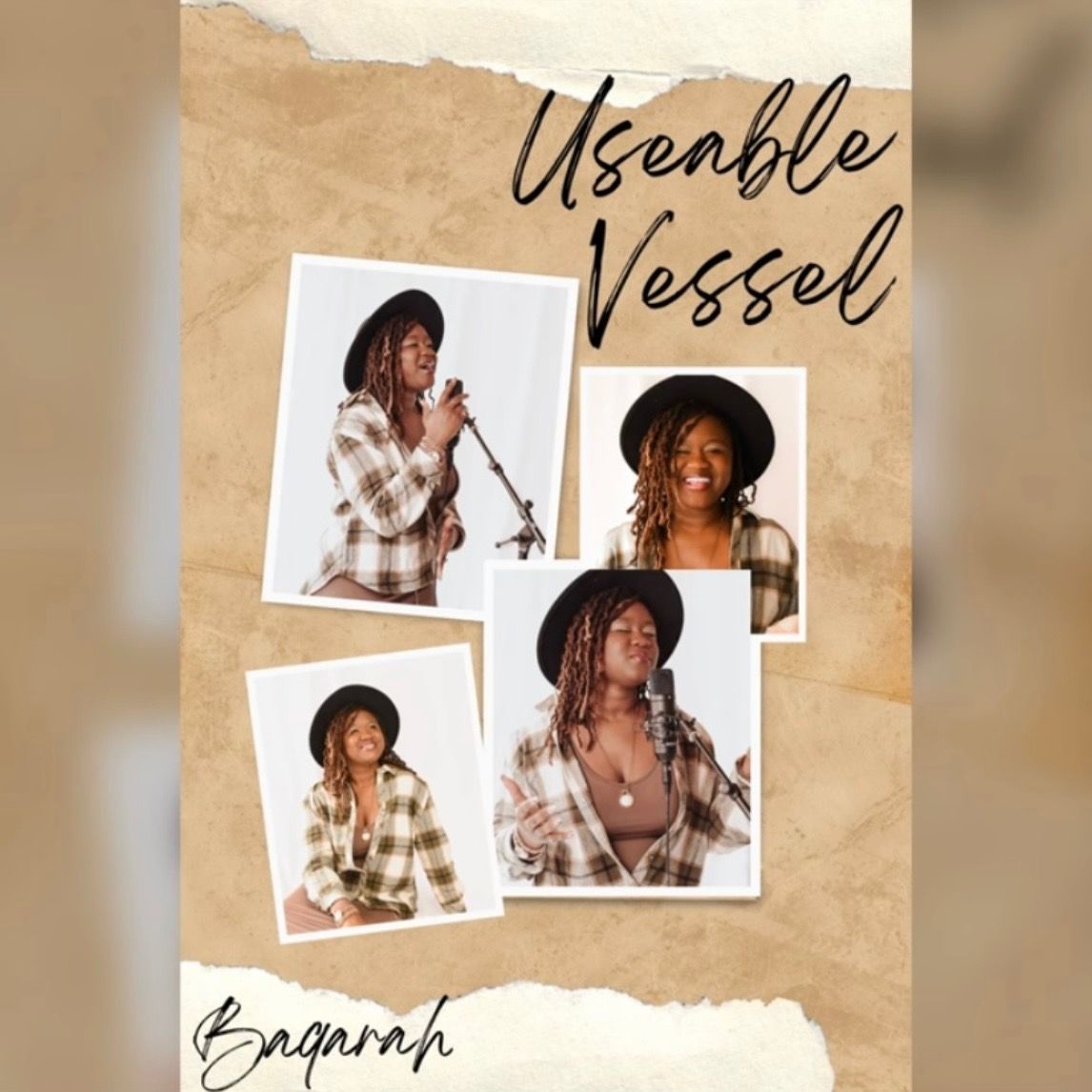
Meet the Artist: Sister Raven (Baraqah)
A Conversation on Calling, Creativity, and Music as Worship

Introduction
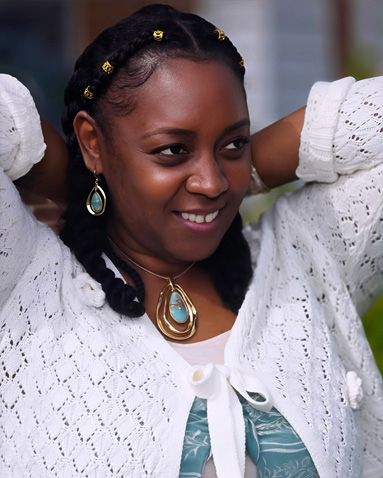
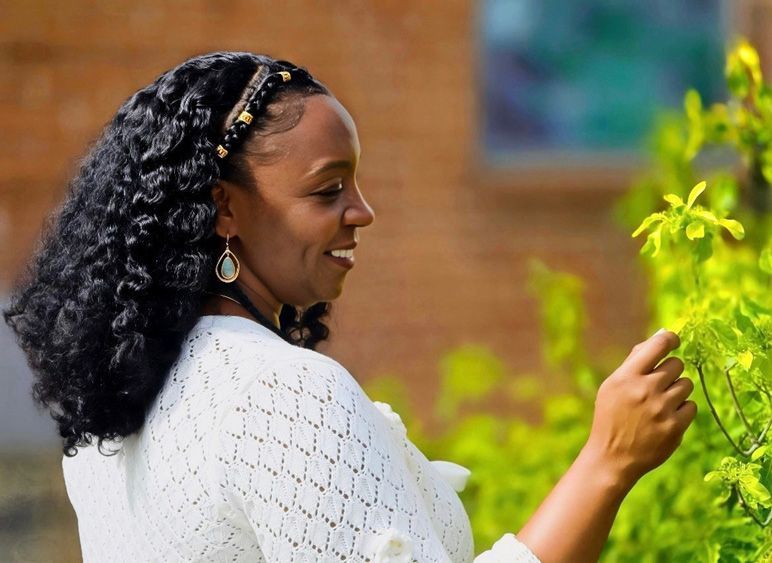
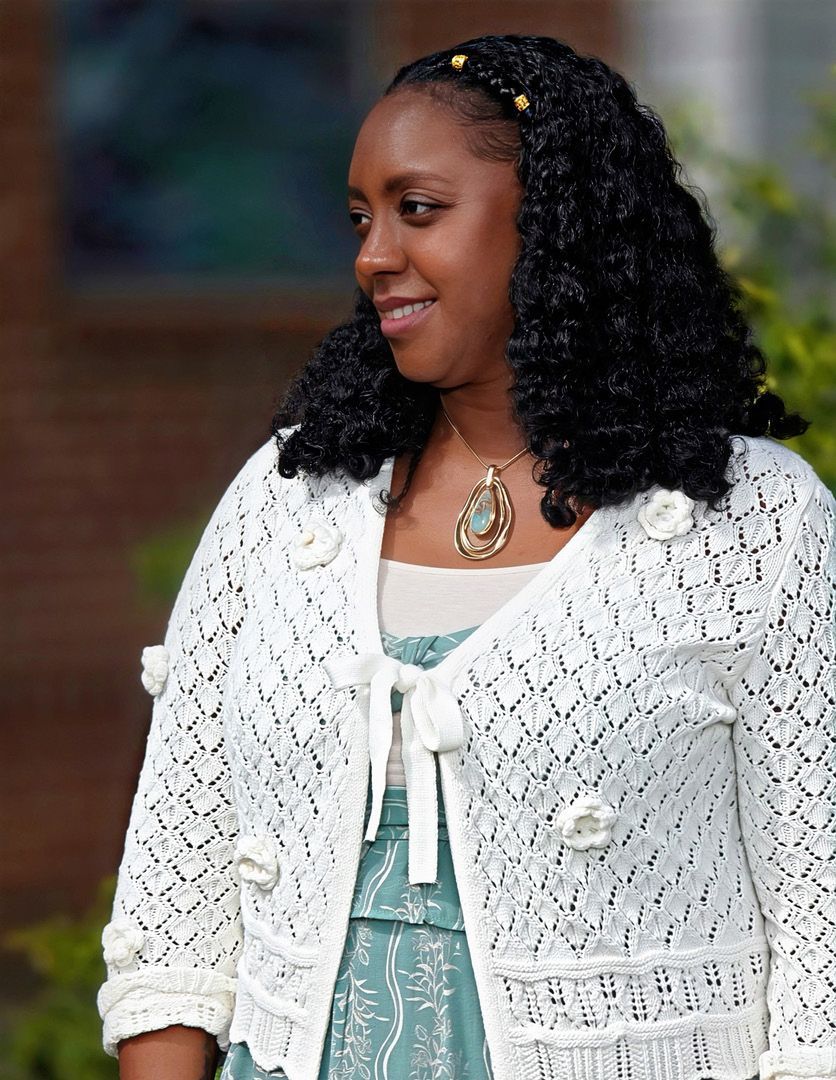
Music has a way of reaching places words alone cannot. For Sister Raven, also known as Baraqah, music is more than sound—it is worship, inquiry, and obedience. In this interview, Baraqah opens her heart about her journey into music, the meaning behind her name, and her upcoming project CPR, a spiritually intentional album rooted in repentance and renewal. Her story is one of surrender, authenticity, and faith-led creativity.
Q&A Feature Interview
TCWM: Many artists say they “always knew” music was their calling. Your journey sounds different. How did you realize music was something you were called to do?
Baraqah:
I actually never wrote music before. One day, words just started flowing naturally, and it caught me by surprise. I realized that it wasn’t something I was forcing—it was just happening. That’s when I understood it was a calling. The Most High was giving me something new, and I simply had to steward it.
TCWM: Your name, Baraqah, carries deep meaning. Can you share what it represents and how it connects to your faith journey?
Baraqah:
My Hebrew name means to inquire and to care for. I’ve always been someone who asks questions—especially when it comes to faith. I want to understand truth deeply, not just accept things on the surface. That spirit of inquiry has shaped both my walk and my music.
TCWM: How do your life experiences influence your music, particularly before and after your conversion?
Baraqah:
My music is a reflection of my entire journey—both before and after coming into the truth. I don’t separate those experiences; I use them to give reverence to the Most High. I want listeners to know that transformation is real and that truth meets you wherever you are.
TCWM: Your audience extends beyond your immediate community. Was that intentional?
Baraqah:
Not intentionally in the way people might think. I don’t create music for a specific niche or audience. My goal is always to connect with the Most High first. If others are drawn in and impacted, that’s a blessing. The music tells my story, and people find themselves in it.
Faith & Creative Process
TCWM: Can you walk us through your creative process? Where does inspiration usually come from?
Baraqah:
It comes from personal experiences and my faith walk. I need solitude to create—often late at night or while driving. I’ll listen to beats or instrumentals, and once something resonates, the words come. It’s very organic.
TCWM: You’re intentional about how your albums are structured. Tell us about your upcoming project, CPR.
Baraqah:
CPR stands for Confess, Pray, Repent. I wanted the album to have a spiritual flow—starting with confession, moving into prayer, and ending in repentance. My hope is that it helps change the mindset of listeners, especially younger women, to be more aware of their thoughts and align with biblical truth.
TCWM: How do you decide which songs make it onto an album?
Baraqah:
I rely heavily on the Holy Spirit. Not every song is meant to be released. I also consider attention span—I want the music to be concise but impactful. It’s about obedience more than preference.
Purpose, Obedience & Authenticity
TCWM: As a woman using her voice for righteousness, what challenges have you encountered?
Baraqah:
Balancing visibility with purpose is challenging. There’s pressure to compete or chase numbers, but that’s not why I create. My music is worship first. I want to remain authentic and obedient, even if that means slower growth.
TCWM: What are your thoughts on technology—particularly AI-generated music—in gospel spaces?
Baraqah:
Technology can be a tool, but it should never replace authenticity. Music is meant to carry human emotion and spiritual connection. When it becomes about views instead of truth, something is lost.
TCWM: How would you describe your musical style?
Baraqah:
It’s a reflection of what I genuinely enjoy—R&B, soul, and gospel. I don’t try to fit a mold. I create what I like, and I think that’s why others connect with it.
Encouragement for Women Creators
TCWM: Fear and doubt often hold women back from using their gifts. How do you navigate that struggle?
Baraqah:
Fear usually comes from a lack of faith. I combat it with scripture and support from people who encourage me to keep going. I remind myself that the gift wasn’t given by accident.
TCWM: What encouragement would you give to women who feel called to create but feel unsure?
Baraqah:
Use your gift. Pray for guidance. Stay open to instruction from the Most High. Don’t wait for perfection—obedience comes first.
What’s Next
Baraqah plans to release new music by April and has shared that listeners may even get a sneak peek at an upcoming gala. Her journey reminds us that creativity, when surrendered, becomes ministry.
Editor’s Note
Baraqah’s music is not just heard—it’s felt. Through inquiry, obedience, and worship, she reminds us that when a woman submits her voice to the Most High, it becomes a vessel for truth and transformation.